In today’s competitive market, the most valuable asset for any organization isn’t its location, unique products, or advanced technology—it’s a talented workforce. Attracting and retaining top talent is essential for long-term success. But in a world where opportunities abound, salaries differ, and roles evolve, how can organizations ensure they keep their brightest minds?
The answer often lies in fostering employee loyalty a culture where talent not only stays but thrives, finding fulfillment in their work and workplace. Employee engagement is frequently highlighted as the key to building such loyalty. After all, an engaged employee is often a satisfied one. But does employee engagement always translate to loyalty?
While many organizations invest heavily in employee engagement activities, high attrition can still persist, suggesting engagement alone may not suffice. Conversely, some companies have successfully reduced turnover by implementing thoughtful and strategic engagement initiatives.
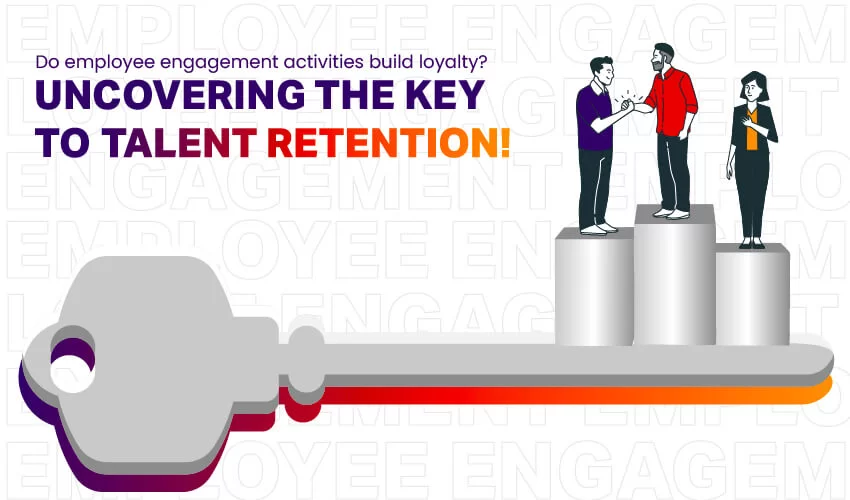
Do employee engagement activities really build loyalty?
Employee engagement plays a vital role in promoting satisfaction, contentment, and loyalty among employees. When employees are happy, they are more likely to stay committed to the organization.
Engaged employees contribute more than just their time they bring enthusiasm, creativity, and dedication to the company’s success. This emotional connection is essential for building a loyal workforce.
Research underscores the link between engagement and retention. Gallup’s State of the Global Workplace Report (2022) reveals that highly engaged teams achieve 17% higher productivity, 21% greater profitability, and 41% lower absenteeism. This demonstrates how employee engagement not only boosts performance but also reduces attrition, fostering loyalty.
Additionally, employees are more likely to stay when they feel valued through growth, development, and recognition opportunities. A TalentLMS report (2022) states that 70% of employees would remain longer with organizations that invest in their development. Initiatives like wellness programs, team-building activities, and professional training show employees that their growth and well-being matter, strengthening their commitment over time.
Why is employee engagement not the only factor for loyalty?
Employee engagement is crucial in fostering satisfaction and loyalty, but it is not the only factor. A thriving workplace depends on multiple interconnected elements that together create an environment where employees feel valued, supported, and motivated.
What other factors influence employee loyalty beyond engagement?
1. Work-Life Balance:
No amount of engagement activities can compensate for burnout caused by a lack of balance between professional and personal life. Sustainable work practices are essential for long-term loyalty.
2. Fair Compensation:
Competitive pay aligned with market standards is fundamental. Employees are unlikely to stay loyal if they feel their efforts are undervalued financially.
3. Organizational Culture:
A culture built on trust, collaboration, and inclusivity encourages employees to remain invested in the company’s mission and vision.
4. Leadership and Support:
Supervisor support and transparent leadership significantly influence job satisfaction and loyalty. Employees thrive when they feel heard, guided, and supported.
5. Career Growth and Development:
Opportunities for skill enhancement, learning, and career advancement are strong motivators for retention. Providing clear pathways for growth fosters commitment.
6. Recognition and Appreciation:
Recognizing contributions and celebrating achievements create a sense of belonging and purpose, reinforcing loyalty.
7. Employee Well-Being:
Initiatives that prioritize physical, mental, and emotional well-being demonstrate genuine care, which builds trust and strengthens loyalty.
Research serves as a guiding light. A Cogent Business & Management study illuminates the significance of supervisor support, teamwork, a nurturing environment, and job satisfaction in fostering loyalty. The InMoment report adds depth to this palette, emphasizing the roles of culture, leadership, career development, recognition, well-being, and work-life initiatives.
Conclusion
Employee engagement is a critical driver of loyalty, but it’s not the sole factor. A thriving workplace depends on multiple interconnected elements, such as work-life balance, fair compensation, organizational culture, leadership, and career growth. Loyalty stems from a combination of factors, including trust, growth opportunities, leadership, and a supportive work environment.
Organizations must view team engagement activities as part of a broader strategy one that nurtures a sense of belonging, values employees as individuals, and addresses their aspirations. By aligning engagement efforts with these core elements, businesses can create a culture where loyalty flourishes. This holistic approach ensures that employees feel valued and supported, leading to a genuinely committed workforce.